
Choosing the Perfect Flower Colors for Your Garden
Cultivating a garden bursting with color is a joyous endeavor that brings beauty and life to any outdoor space. Whether you're a seasoned gardener or just beginning, choosing the right flower colors can be a rewarding challenge that enhances the aesthetic appeal of your garden. The right color combinations can create a sense of harmony, evoke particular emotions, and even attract beneficial wildlife. This guide will help you make informed decisions on selecting the perfect flower color palette for your garden.
Understand Color Theory
Understanding color theory can be a valuable tool in designing your garden. Complementary colors, which are opposite each other on the color wheel, can create vibrant and eye-catching displays, such as combining orange marigolds with blue delphiniums. Alternatively, analogous colors, which are next to each other on the color wheel—like purple, blue, and green—can create a more harmonious and soothing effect. By considering these color relationships, you can tailor your garden to match the mood or theme you wish to convey. Visit the local flower nursery to learn more about color theory.
Consider the Existing Environment
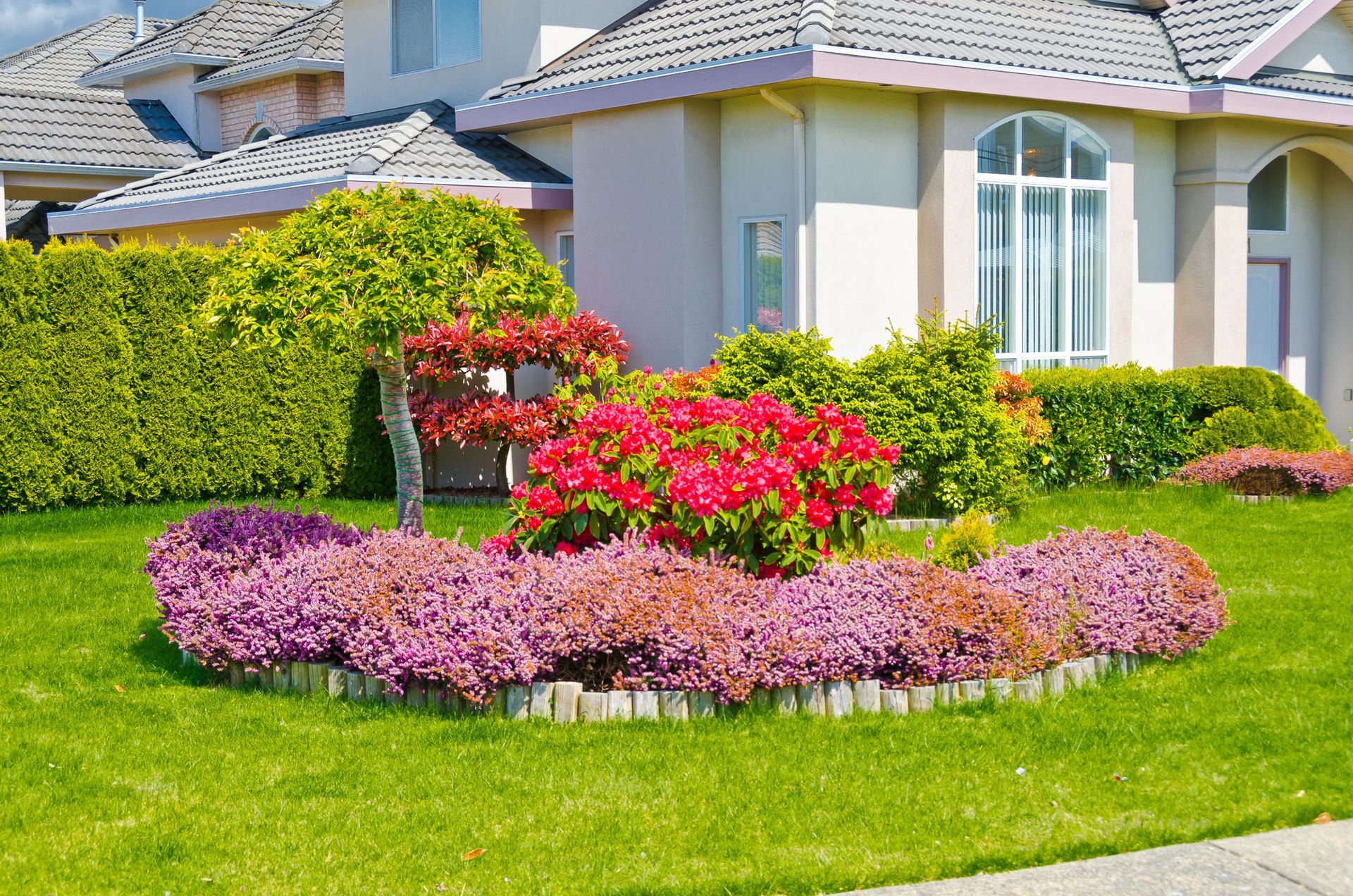
When choosing flower colors, it's essential to consider the existing environment and architecture of your home. If your home features neutral tones, bright, bold colors—such as reds and yellows—can serve as stunning focal points. Conversely, if your home has more vivid hues, softer pastel flowers might provide a balance. According to Raleigh Realty, roughly 55% of U.S. households contain a garden, indicating that many homeowners find joy in harmonizing their outdoor spaces with their home designs. Understanding your environment allows you to create a seamless transition from the indoors to the outdoors.
Plan for Seasonal Changes
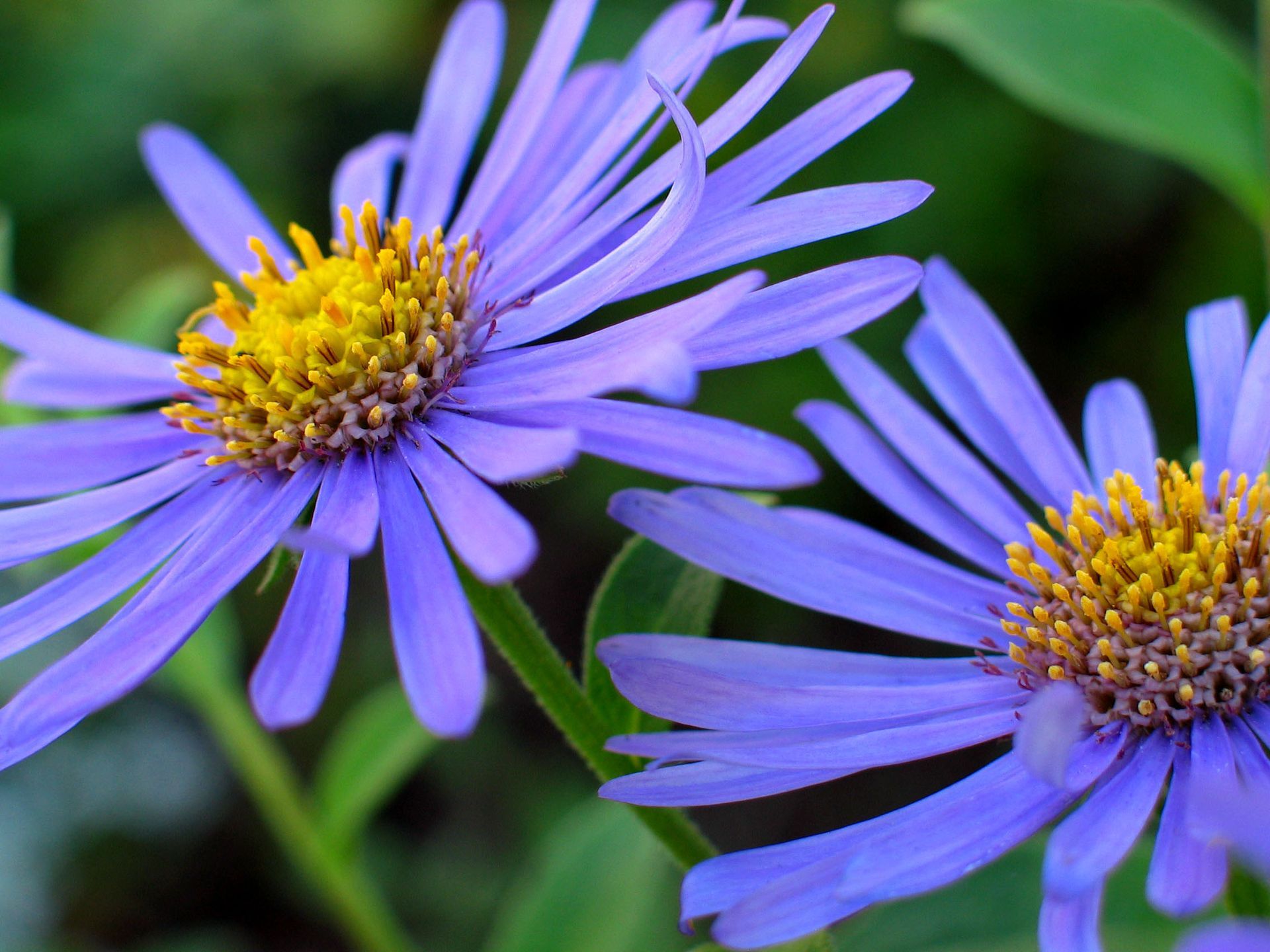
It's also crucial to think about the seasonal changes in your garden, as different flowers bloom at different times. Planning your garden's color scheme according to the seasons can ensure that your garden looks vibrant year-round. For instance, spring bulbs like tulips and daffodils bring early color, while summer plants—such as zinnias and coneflowers—extend the display. Fall can be highlighted with asters and chrysanthemums, providing consistent allure and keeping your garden lively no matter the season. Consider talking with your local flower nursery to learn what they recommend about seasonal changes in your garden.
Selecting the perfect flower colors for your garden involves considering color theory, existing home aesthetics, and seasonal changes. By strategically choosing a color palette, you can create a visually stunning garden that complements your surroundings and brings continuous enjoyment. Whether you favor bold, bright colors, or prefer a more understated approach, the right floral arrangement can elevate your home and garden to new heights of beauty. Visit your local flower nursery, Two Oaks Nursery, when you want to spruce up your garden!


Share On: